Most Second Temple-period tombs around Jerusalem tell you about death: a family name, a resting place, sometimes a warning against disturbing the bones inside. A rock-cut tomb in the city's western suburbs tells you something else entirely. Scratched into the plaster of its porch, alongside prayers for the dead and a menorah, someone drew a ship - a warship, oars out, under sail - and signed off with a line mourning a death at sea. It is one of the most unexpected images to survive from Hasmonean-period Jerusalem: proof that a Jewish family living under priestly and then royal Hasmonean rule had a son, or a relative, who went to sea and did not come back.
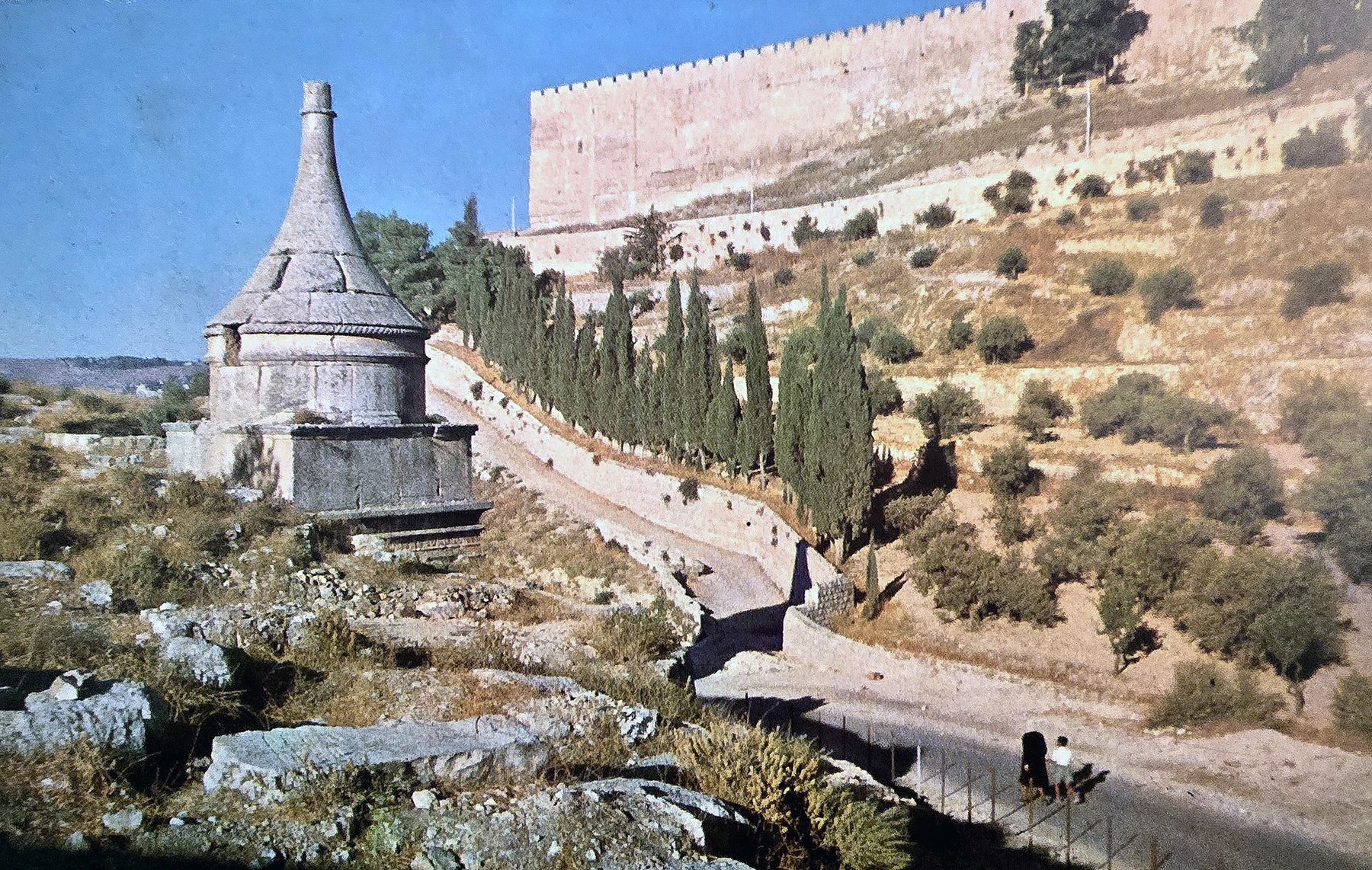
The tomb takes its name from an inscription cut over the entrance naming its builder, a man called Jason, identified as a priest. It sits among a cluster of rock-cut family tombs typical of the period, cut into the hillside with a forecourt, a porch supported by a single column, and a burial chamber beyond. What sets it apart from its neighbours is the porch decoration: alongside the expected menorah and the expected mourning texts, someone with a steady hand drew a warship under sail, oars visible along its hull, in red paint and incised line. Ships do not turn up often on Jewish funerary art of this period. This one does, and it changes what we can say about who this family was.

What the walls say
The tomb's plastered porch carries several layers of text and image, added over time rather than all at once. Two inscriptions are cut or scratched near the entrance: one in Aramaic naming Jason and his priestly office, and a shorter mourning text lamenting a death. The wall also carries a large incised menorah - among the earliest surviving depictions of the seven-branched lampstand outside the Temple itself - and, sharing the same plaster, the warship. Underneath the ship a line of text mourns someone lost, read by most who have studied it as a lament for a family member who died at sea, possibly in a naval engagement or simply a maritime accident. The exact circumstances are not recoverable from the wall; the grief and the ship together are.
The style of the ship is naval rather than merchant: a long, low hull, a ram-like prow, oars along the side and a single mast, the standard silhouette of an eastern Mediterranean warship of the Hellenistic period. Whoever scratched it onto the plaster knew what a warship looked like well enough to draw one from memory, which is itself a small piece of evidence about the family: someone in it, or close to it, had been to sea, or had at least stood close enough to naval vessels to know their lines.
Jason's Tomb, Jerusalem
A rock-cut family tomb in Jerusalem's western suburbs, comprising a forecourt, a single-columned porch and an interior burial chamber, with a pyramid-topped monument above. The porch plaster carries an Aramaic inscription naming the tomb's builder, Jason, as a priest; a large incised menorah; a mourning inscription; and an incised and painted warship. The tomb remains in situ and is a scheduled antiquities site within the modern city.
In situ, Rehavia, JerusalemWhy a warship, why here
Jewish naval activity in the Hasmonean period is not well attested in the surviving texts. The Books of Maccabees and Josephus describe land campaigns, sieges and a priestly-then-royal state expanding its borders, but ships appear only at the edges of the story - coastal towns taken, ports controlled, trade implied rather than described. A privately commissioned drawing of a warship, on the wall of an ordinary family tomb, is a different kind of evidence: not a state chronicle recording a fleet, but a family recording a loss connected to the sea. It suggests that seafaring, whether military, mercantile or both, touched Jewish life in this period more directly than the literary sources alone would lead a reader to expect.
That is a modest claim and it is the right size for what the tomb can bear. The drawing does not prove the Hasmonean state kept a standing navy, and it does not name a battle. What it establishes is narrower: that in this one Jerusalem family, someone's life and death were bound up with the sea closely enough that a warship, not a boat or a generic vessel, was the image chosen to mark the loss.
The Books of Maccabees remember an army. A family's own wall remembers a sailor.
Excavated among Jerusalem's western tombs
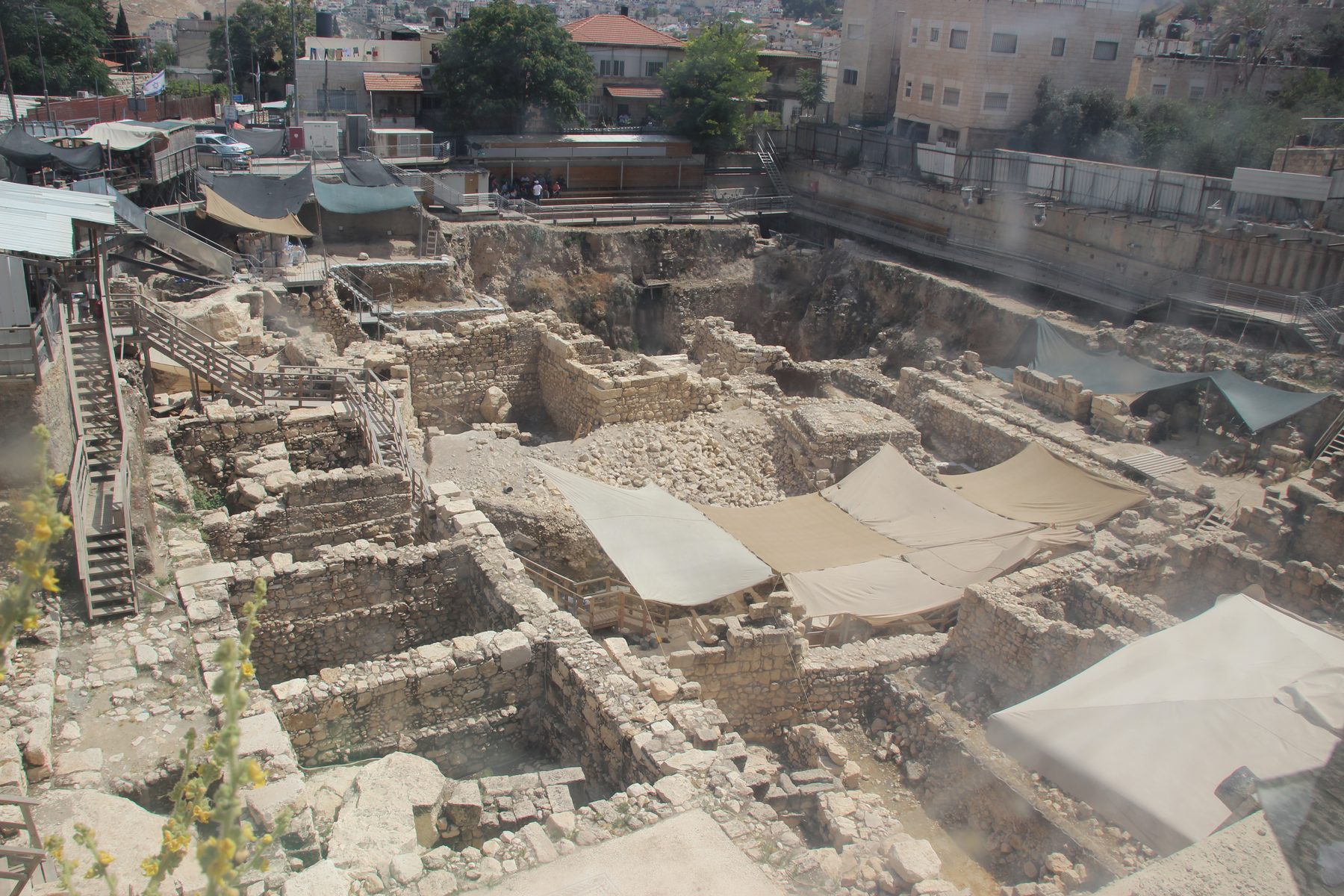
The tomb was uncovered and recorded as part of wider archaeological attention to the ring of rock-cut family tombs surrounding Hellenistic and early Roman Jerusalem. Its architectural form - forecourt, columned porch, pyramid-topped superstructure - and the Aramaic script of its inscriptions place it in the Hasmonean period, before Herodian building styles came to dominate the city's grander tombs. It has since remained a protected antiquities site in situ.
In situ, Rehavia, JerusalemWhat stays in the glass case
Jason's Tomb was never meant to be read by anyone outside one family's circle of mourners. It sits quietly in a Jerusalem hillside, unglamorous next to the grand Second Temple monuments nearby, and it carries no royal name and no battle honour. What it carries instead is a menorah, a priest's name, and a warship - three unrelated facts about one household that happen, together, to widen what the Hasmonean-period Jewish story is allowed to include. Not every ancestor stayed on dry land.
Further reading