Number 16 Rothschild Boulevard is not a monument built to commemorate a moment. It is the moment's own room, still standing, at the same address it occupied on the afternoon it mattered. The building began as a private house on land that had been bare sand a few years before, and it ended up hosting the thirty-two minutes in which the State of Israel was declared. Both facts are checkable from the same doorway.
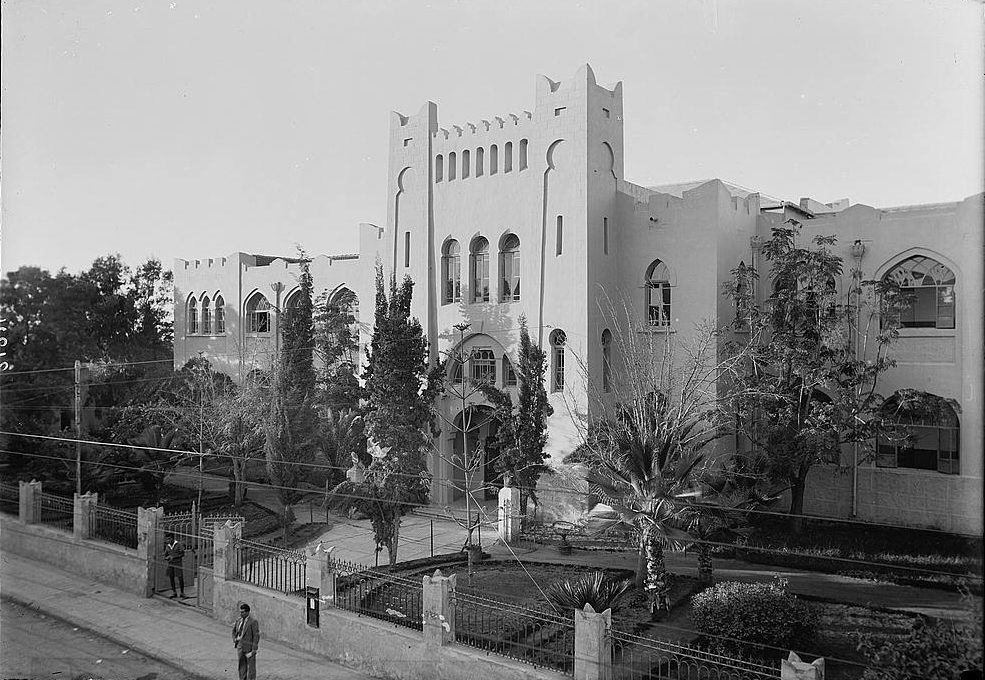
The house was one of the first built on the sixty plots allocated to the founders of Ahuzat Bayit, the garden suburb north of Jaffa whose residents renamed it Tel Aviv. It went up around 1909 to 1910 as the home of Meir Dizengoff, a founder of the settlement and later the city's first mayor. For a house barely older than the neighbourhood itself, it acquired a remarkable second and third career: donated by Dizengoff, it became the first home of the Tel Aviv Museum of Art, and it was in the museum's main hall, under a painting of Theodor Herzl, that the country's provisional government met on 14 May 1948, the day the British Mandate was due to expire.

What the room shows
The hall itself is modest: a rectangular room, a balcony along one wall, a long table where the members of the People's Council sat. What makes it evidence rather than backdrop is that the room's furnishings, so far as they survive, are original or closely reconstructed to the day, and the room's dimensions and layout are not in dispute - they can be measured against photographs taken at the time, including the well-known image of David Ben-Gurion reading the declaration beneath the Herzl portrait with the flag-bearing lions on either side. The building corroborates the written record rather than merely illustrating it: the session took place in this specific room, at this specific address, and the room has not moved.
The declaration itself was read out, the assembled council members signed or arranged to sign, and the meeting closed before the Sabbath began at sundown - the timing was deliberate, since the Mandate expired at midnight and the leadership wanted the state proclaimed before the day was out and before the Sabbath restricted further business. The building's fabric fixes the venue; the surviving newsreel footage and photographs fix the choreography inside it.
From private house to first city museum
The house at 16 Rothschild Boulevard was built as Meir Dizengoff's residence on one of the original Ahuzat Bayit plots. In the early 1930s Dizengoff donated the building to house the Tel Aviv Museum of Art, then newly founded, in memory of his late wife. The building's use as a public gallery is what put a large, presentable hall - rather than a private parlour - at the disposal of the provisional government in 1948.
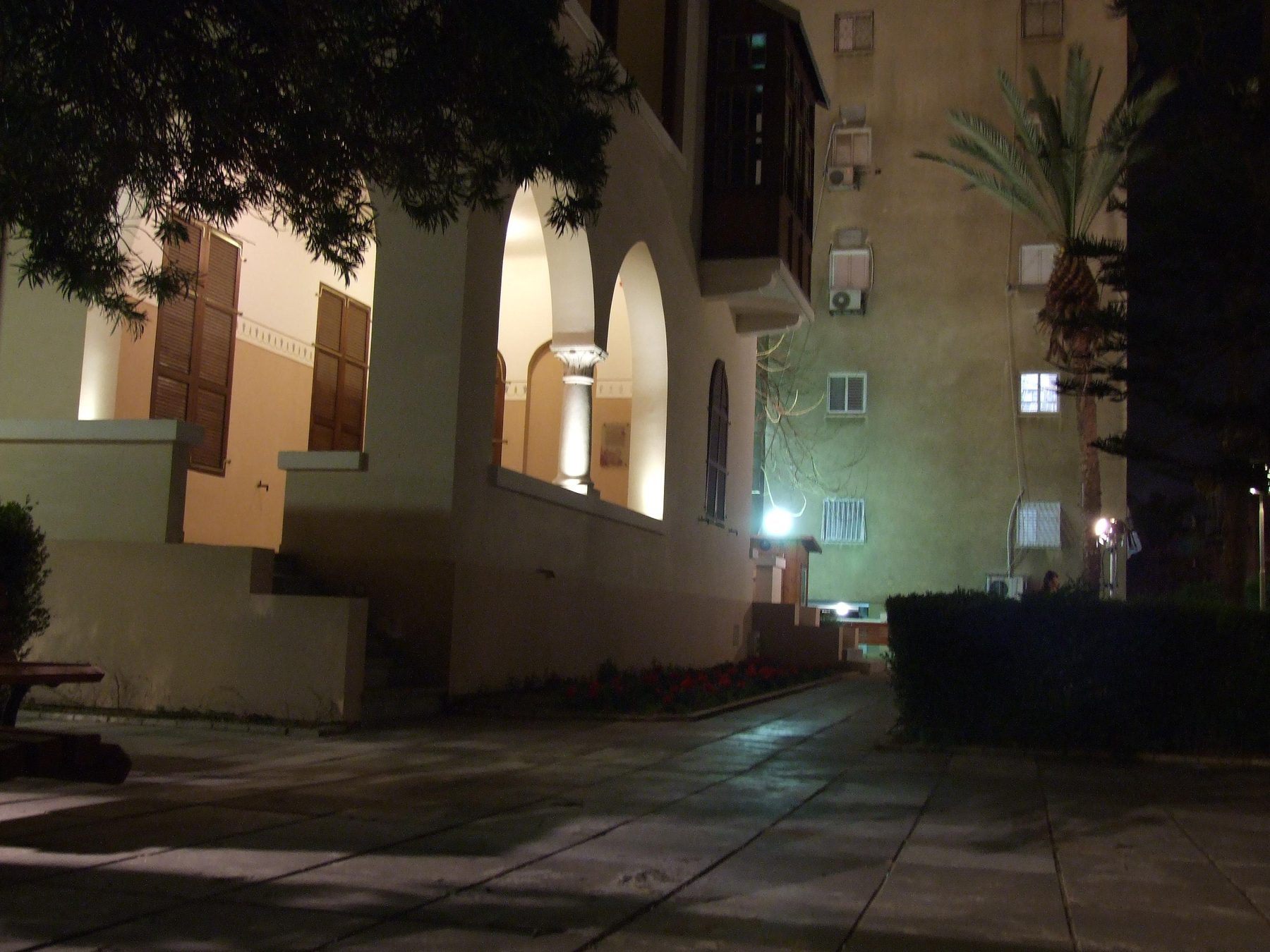
Independence Hall Museum, 16 Rothschild Boulevard, Tel AvivThe argument over who was in the room
The scholarly discussion around the declaration is less about the building than about the document signed inside it, and it is worth stating fairly. Not every one of the thirty-seven people whose names appear on the Declaration of Independence was physically present in the hall on 14 May 1948. Jerusalem was under siege and cut off by road, so several council members from that city could not reach Tel Aviv in time; the parchment scroll used at the ceremony was prepared with the top portion left blank, and signatures were collected from absent members over the following days and weeks rather than all being appended on the spot. This is well documented and does not affect the constitutional force of the reading itself, but it means the tidy image of thirty-seven pens moving in one room on one afternoon is a simplification the room's own layout - built for an audience, not for three dozen signatories to queue past a table - already suggests.
The reading of the declaration
David Ben-Gurion read the Declaration of Independence to the People's Council in the museum hall on the afternoon of 14 May 1948, hours before the British Mandate over Palestine formally ended and the Sabbath began. The proceedings, timed to close before sundown, are recorded on newsreel and in contemporary photographs taken inside the same room the museum preserves today.
Independence Hall Museum, Tel Aviv; Israel State ArchivesWhy the building is the evidence
A declaration is a text, and texts can be copied, quoted and disputed independently of any room. What the building at 16 Rothschild Boulevard adds is a fixed, physical anchor for an event that could otherwise drift into pure legend: a specific hall, at a specific address, in a house whose earlier life as a private home and then a museum is independently documented from the years before 1948. The site does not merely commemorate the declaration; it constrains any account of the day to a real room with real dimensions, a real balcony, and a real set of photographs taken from a real vantage point inside it. That is what makes it a glass-case object rather than a plaque - the room is still the room.