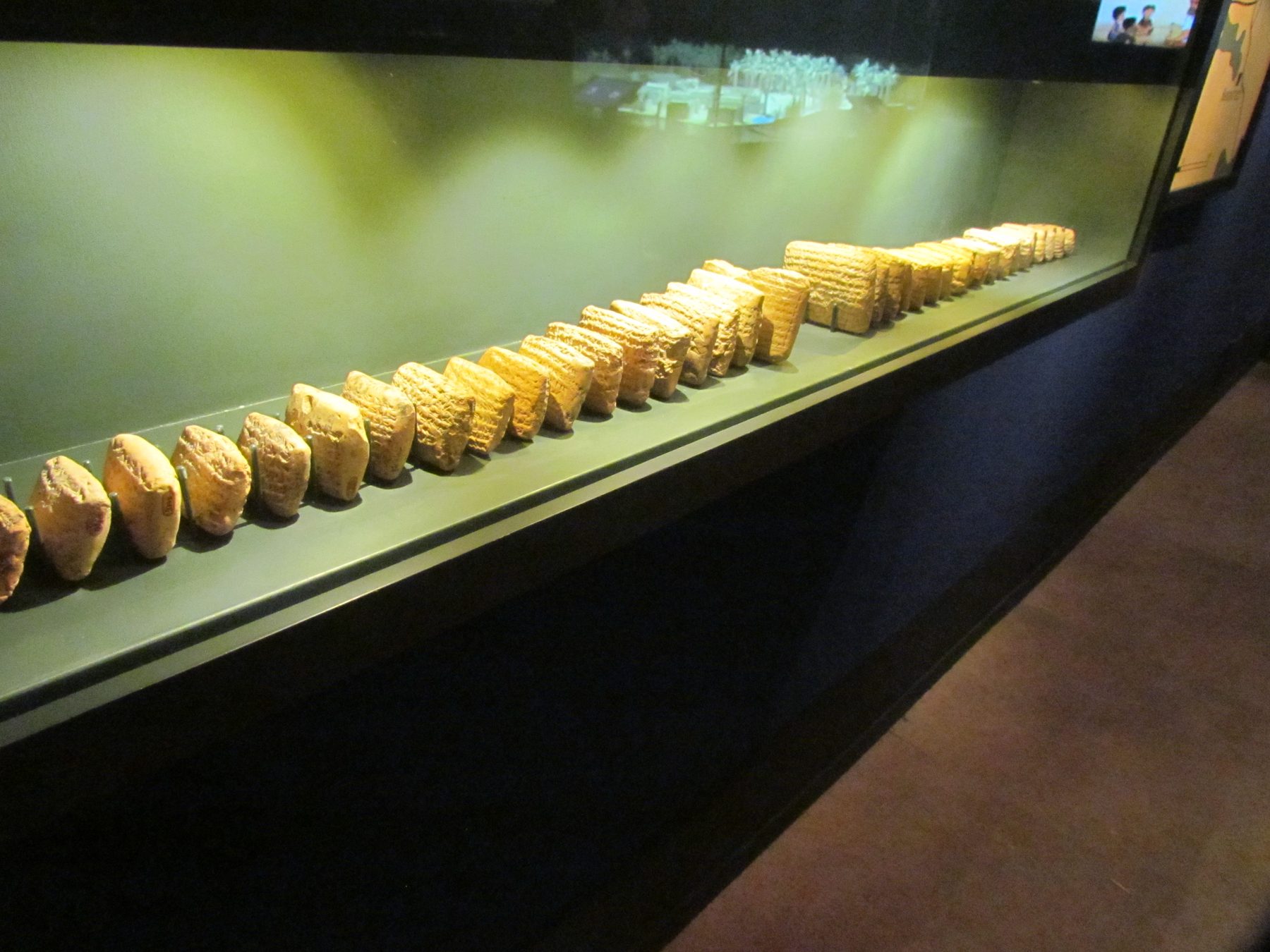
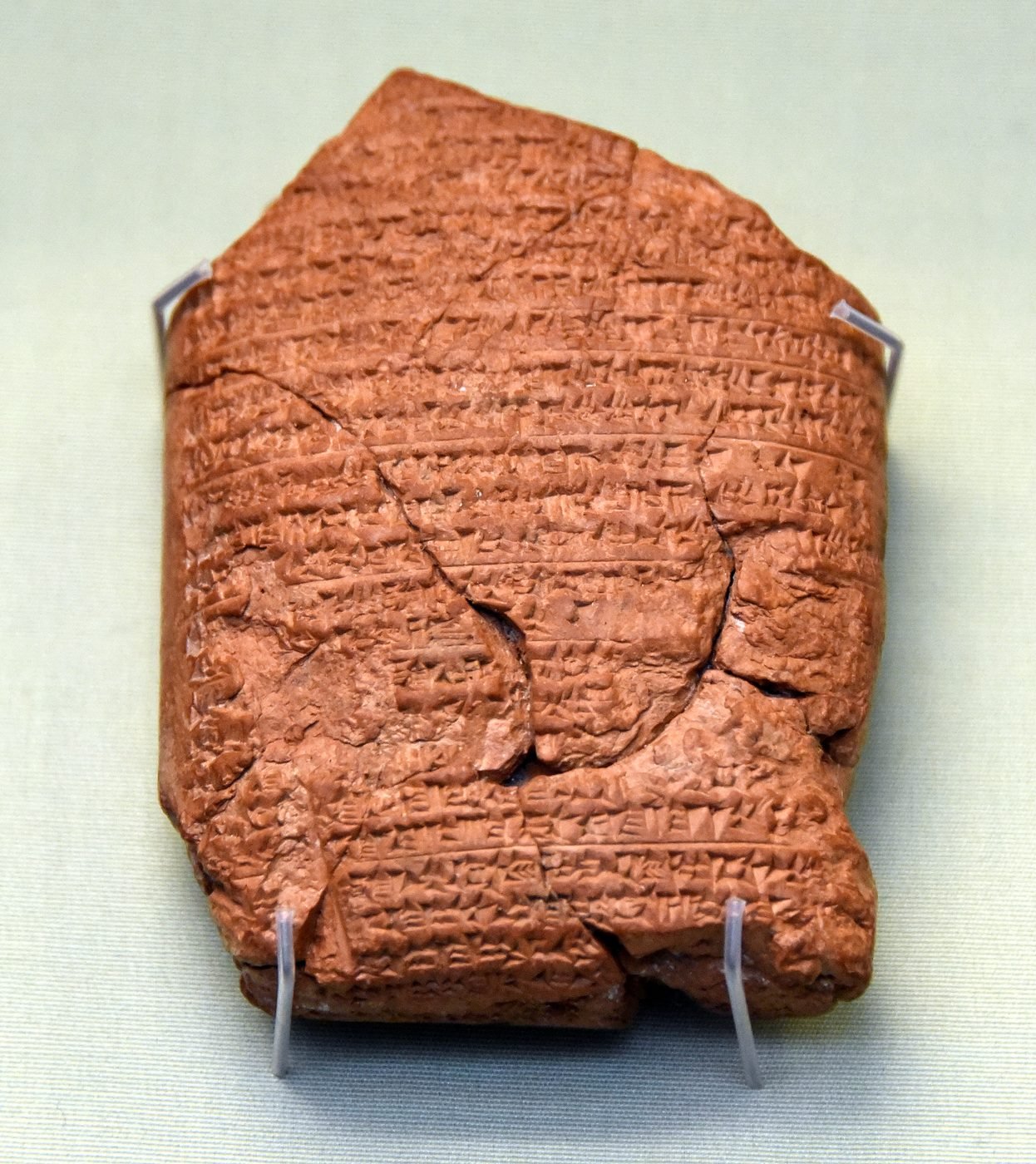
Most of what the Bible says about Nebuchadnezzar comes from the side he conquered. This tablet does not. It is a page from Babylon's own administrative record-keeping, a chronicle kept by scribes with no stake in Jerusalem's fate and no reason to flatter or condemn the city they mention only in passing. It says the king marched to the land of Hatti, took the city, seized its king, appointed a king of his own choosing, and took tribute back to Babylon. It gives a date. It does not editorialise. That is precisely what makes it worth more than most editorials.
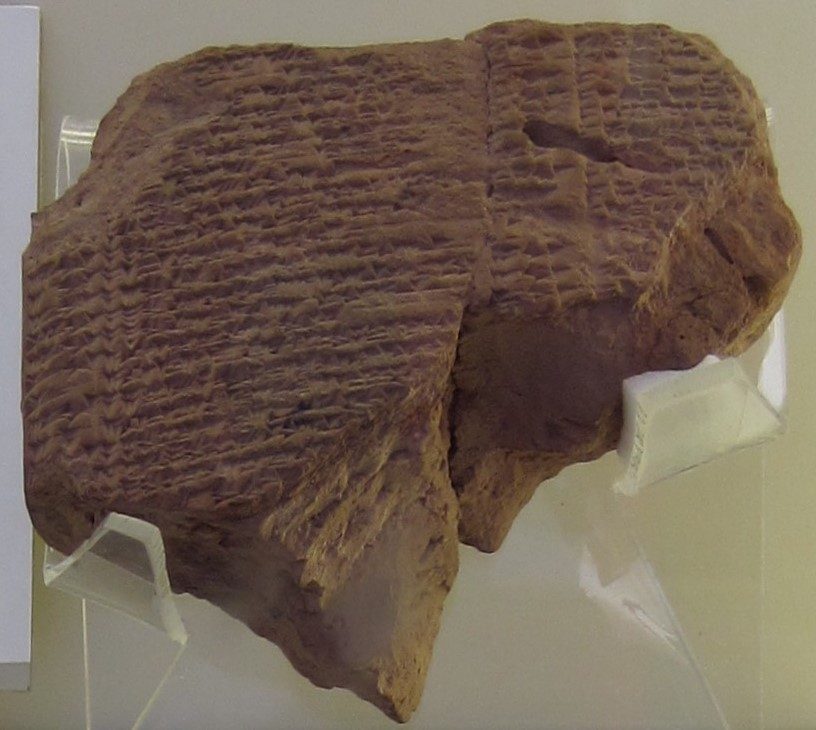
The object is a small baked-clay tablet inscribed in cuneiform, part of a series modern scholars call the Babylonian Chronicles - a run of terse, year-by-year military and political notices kept by Babylonian scribes for their own administrative purposes, not for posterity or persuasion. This particular tablet, catalogued as BM 21946 and covering roughly the first eleven years of Nebuchadnezzar II's reign, is held at the British Museum in London. Like a number of the Chronicle tablets, it reached the museum's collection through the antiquities market in the late nineteenth century rather than a documented scientific excavation, so no controlled find-spot is recorded for it beyond its Babylonian origin. What can be dated with confidence is not where it was dug up but what it says and when it was written: close to the events it describes, by the administration that carried them out.
What the tablet is
BM 21946 is one of the Babylonian Chronicles, a series of concise year-notices - campaigns, accessions, deaths - kept without ornament or claim to interpretation. It was not written to prove anything to Judah or to posterity; it was an internal record, which is exactly why historians treat it as unusually reliable on the points where it can be checked. The tablet was deciphered and published for a wider audience in the mid-twentieth century, and its account of the Jerusalem campaign has been read against the biblical narrative ever since.
British Museum, London - tablet BM 21946Reading it against the Bible
The books of Kings and Chronicles describe this same campaign from Jerusalem's side: a young king on the throne, a siege, a surrender, the deportation of the king and much of the elite to Babylon, and the installation of a replacement ruler loyal to Nebuchadnezzar. The Chronicle does not use any of the biblical names, and it was never going to - it is a Babylonian administrative note, not a retelling of Judah's story. What it does is confirm the shape of the event from the outside: a Babylonian king marched west, took a city in the region the Bible calls Judah, removed its king, and replaced him with one of his own choosing, in the very years the biblical account places the first deportation. Two records, kept for entirely different purposes by entirely different hands, describe the same sequence of events. That is what corroboration looks like in ancient history - not agreement in wording, but independent agreement in fact.
There is a genuine question historians still work through carefully: the biblical text and the Chronicle each use their own calendars and regnal-year conventions, and lining up a Babylonian year-count with a Judahite one to the exact month takes care rather than guesswork. The broad dating - the city taken in the winter of 598 into early 597 BCE - is not seriously disputed. The finer points of exactly how the competing year-reckonings map onto each other remain a matter that specialists in ancient Near Eastern chronology continue to refine, without it disturbing the basic fact that both records describe the same fall of the same city in the same few months.
Why it matters
Ancient historiography rarely gets to check one side's story against the other's paperwork. Here it can. The Chronicle was not composed for Judahite readers and owes them nothing; it simply logs what the Babylonian court did, year by year, because that was the scribe's job. That a Babylonian administrative record and a Judahite historical and prophetic tradition converge on the same king, the same campaign and the same outcome is exactly the kind of cross-cultural confirmation that turns a scriptural account into a dateable historical event as well as a remembered one.
British Museum, LondonSet the tablet next to the text and something plain but rare happens: two witnesses who never coordinated, writing for two different audiences in two different scripts, agree about a king, a city and a season. Babylon kept the ledger to record a conquest. It ended up, several centuries and one museum case later, confirming the conquered.