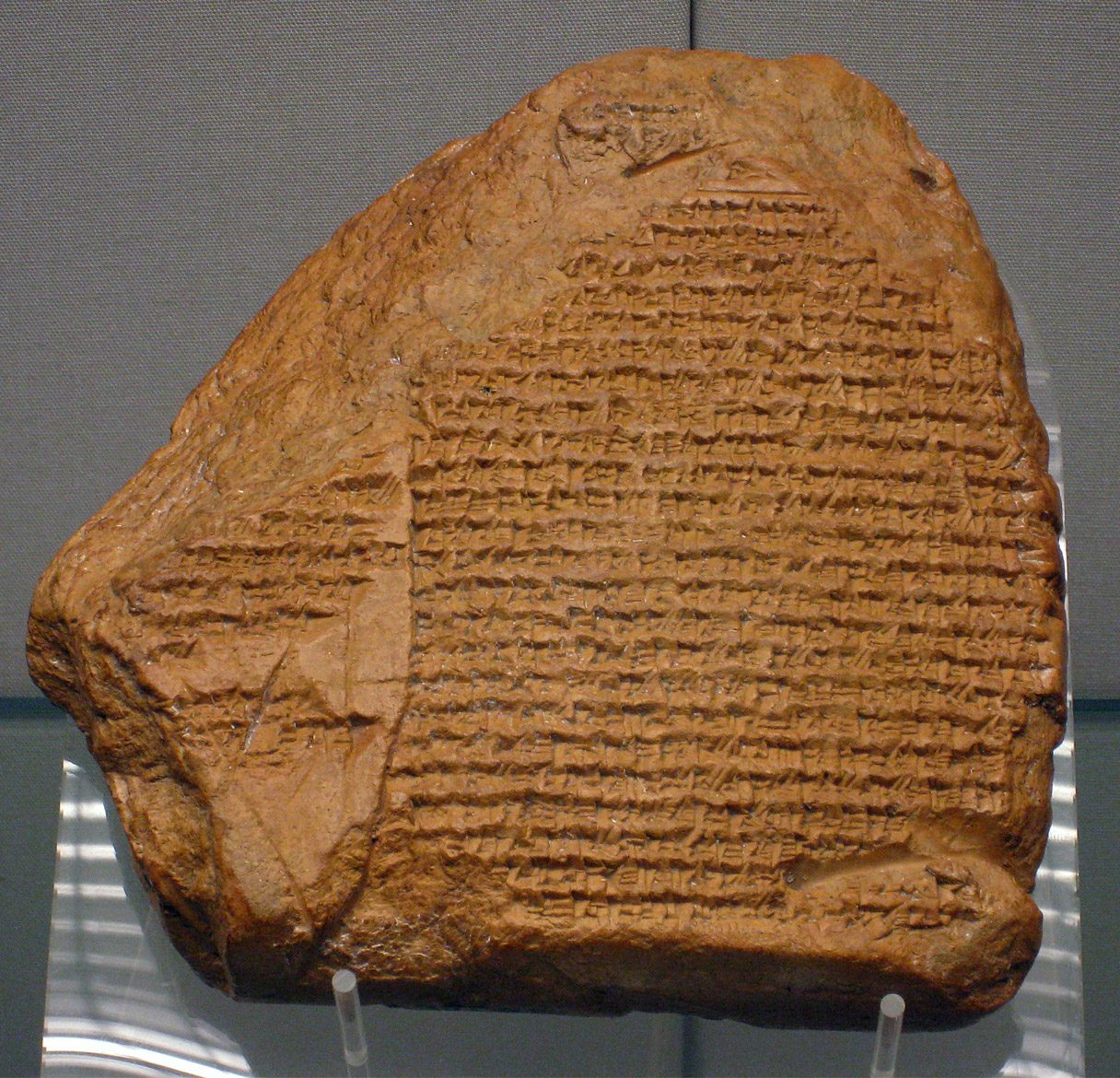
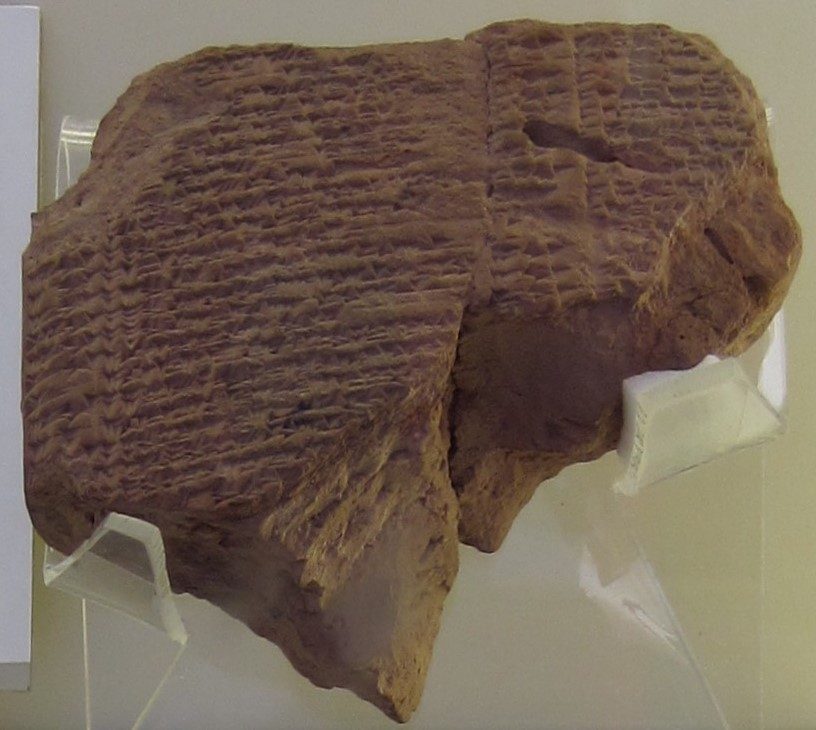
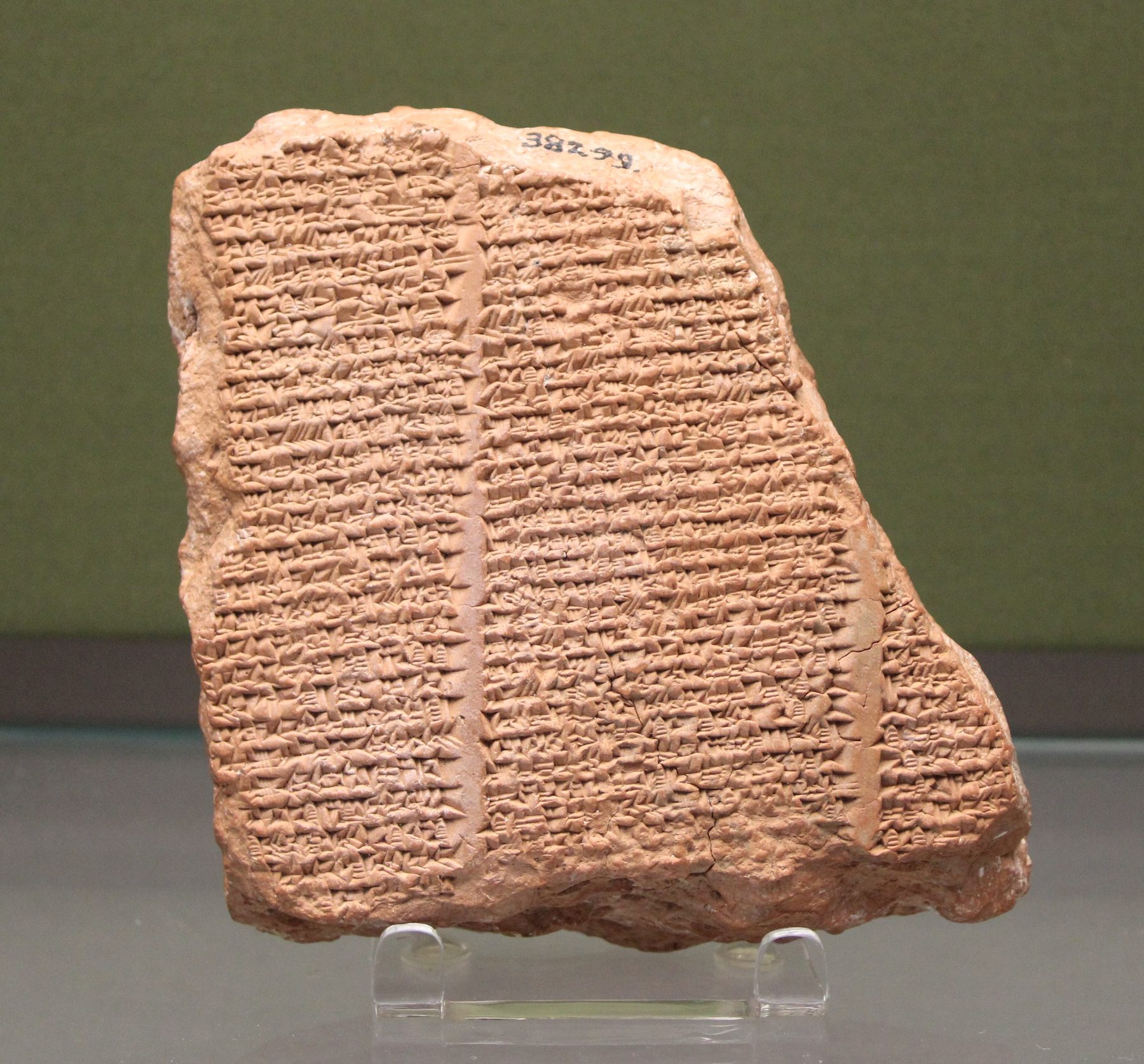
Most of what survives from the ancient world is either monumental or accidental: a palace wall, a broken jar. The Al-Yahudu tablets are neither. They are the paperwork - leases, loan agreements, promissory notes, marriage and inheritance documents - written in cuneiform by scribes working for ordinary households in a Babylonian town whose name, translated, simply means Judah-town. The people who signed these documents were not kings or priests speaking for the record. They were farmers, tenants and creditors going about the unremarkable business of living somewhere new, and it is precisely that unremarkableness that makes the archive so valuable. It corroborates, tablet by dull tablet, that the community the book of Jeremiah addresses as exiles settled in Babylonia and told to build houses and plant gardens actually did exactly that, for generations, in a place that kept their name.
The corpus takes its modern name from the Akkadian rendering of the settlement's name that recurs across the tablets, Al-Yahudu, "the town of Judah" - the same toponym, transliterated, that a Judean exile would have recognised as home. It is not the only settlement named in the archive; a related cluster of documents names other communities in the same region, including one called Judah-by-the-Nar-Kabari canal and others with West Semitic names alongside it. Together they sketch a landscape of exile settlements scattered through central and southern Babylonia, administratively unremarkable, ethnically distinct, and thoroughly documented in the language of the empire that hosted them.

What the tablets are
The documents are small clay tablets, the standard medium of Babylonian administration, inscribed in cuneiform script and Akkadian language by professional scribes working on behalf of private individuals. Their contents are entirely mundane by the standards of ancient record-keeping: agricultural leases, silver loans, receipts, guarantees, and the family-law documents - marriage settlements, inheritance divisions - that any community generates as it reproduces itself across generations. Dated formulas naming the reigning king and regnal year anchor the archive across roughly a century, beginning in the decades after the Babylonian conquest of Jerusalem and running well into the Persian period that followed Cyrus's conquest of Babylon, the same period in which the biblical account has some exiles returning to Judah while others remained.
What identifies the archive's people as Judean is not a single dramatic claim but an accumulation of small, checkable details: personal names built on the Hebrew element for the God of Israel, rendered in Akkadian cuneiform; the recurrence of the toponym Al-Yahudu itself; and family and business networks that persist across generations of documents, the same households leasing, lending and marrying within a recognisable community. Some individuals bear purely Babylonian names, others distinctly Yahwistic ones, often within the same family - evidence of a community that transacted in the empire's language and administrative forms while continuing to name its children for its own God.
The published corpus
The tablets did not come from a controlled excavation. They were unearthed in southern Iraq in the 1970s and entered the antiquities market at that time. Scholarly publication and translation of the corpus began in the 1990s, starting with 8 tablets published in 1996. Their exact find-spot in Babylonia is not documented with archaeological precision - a limitation the publishing scholarship states openly rather than papering over. Several hundred tablets from the group have since been published in scholarly corpus volumes, transliterated, translated and dated by their internal formulas, which is what allows the settlement pattern and the family archives within it to be reconstructed at all. A selection was exhibited publicly at the Bible Lands Museum Jerusalem in 2015.
Published cuneiform corpus; selection exhibited, Bible Lands Museum JerusalemWhat it shows
Read as a set rather than as individual documents, the archive shows a community that did not dissolve into its host empire and did not seal itself off from it either. The exiles farmed land under lease terms identical to those their Babylonian neighbours used, borrowed silver at the going rate, and settled their family affairs by the same legal instruments as everyone else around them - while continuing, across a hundred years and several generations, to live in a place called by their own name and to give their children names that spoke of the God they had carried into exile with them. That is a specific and checkable version of what the biblical exile narrative describes only in general terms: a people told to put down roots in a foreign land without giving up who they were, doing precisely that, in the ordinary paperwork of ordinary lives.
The archive also lets historians see something the Bible does not narrate in detail: what happened to the exiles who did not return. Judah's story after Cyrus's decree usually follows those who went back to rebuild. Al-Yahudu follows, tablet by tablet, some of those who stayed - a diaspora community already old enough, by the time the Second Temple was rising in Jerusalem, to have grandchildren who had never seen Judah at all.
Names across time
Several family archives within the corpus can be followed across three or more generations of documents, the same lineage appearing as parties, witnesses or guarantors on leases and contracts issued decades apart. Where a scribe recorded a full genealogy - a party identified by his own name, his father's and his grandfather's - the sequence of names sometimes moves between Babylonian and Yahwistic forms within a single family line, generation to generation, a pattern scholars read as evidence of a community negotiating its identity in the empire's language without losing its own.
Published cuneiform corpus, family and business archivesFurther reading